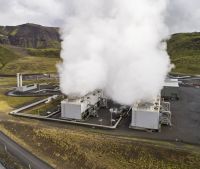
Geothermal energy in India is a renewable energy source derived from heat stored beneath the Earth’s surface. Although India has significant potential, the sector is still in its early stages compared to solar and wind.
Overview
Geothermal energy uses underground heat (hot water, steam, rocks) to generate electricity or provide heating. It is valuable because it provides continuous (24/7) power, unlike solar or wind.
Potential in India
- Estimated potential: ~10,000–10,600 MW (10 GW)
- Over 340–380 hot springs identified across the country
- Spread across 10 geothermal provinces (Himalayas, Gujarat, Andaman & Nicobar, etc.)
Despite this, commercial power generation is still minimal and mostly experimental.
Major Geothermal Regions in India
Key promising sites include:
- Puga Valley (Ladakh) – most important and high-temperature site
- Cambay Basin (Gujarat) – suitable for large-scale development
- Tattapani (Chhattisgarh)
- Manikaran (Himachal Pradesh)
- Andaman & Nicobar Islands
These areas are located near tectonic activity, which creates geothermal heat reservoirs.
Current Status & Projects
- India has pilot projects, such as a 20 kW geothermal plant in Telangana
- The sector is still in research and demonstration phase
- No large commercial geothermal power plants yet
Government Policy
India introduced the National Geothermal Energy Policy (2025) to boost development:
- Target: ~1,000 MW by 2030
- Encourages:
- Private investment & foreign direct investment
- Exploration and drilling
- Hybrid systems (e.g., geothermal + solar)
Advantages
- Reliable baseload power (24/7)
- Low greenhouse gas emissions
- Small land requirement
- Useful for:
- Electricity generation
- Heating, agriculture, aquaculture, tourism
Challenges
- High initial cost and drilling risks
- Remote locations (e.g., Himalayas) → infrastructure issues
- Lack of technical expertise
- Environmental concerns (e.g., drilling safety)
Future Outlook
- Could reach 4.2 GW by 2035 and grow further long-term
- Seen as a complement to solar and wind for stable energy supply
- Potential to support rural electrification and reduce fossil fuel dependence
Conclusion
India has strong geothermal potential but very low current utilization. With new policies and technological improvements, geothermal energy could become an important part of India’s renewable energy mix—especially as a reliable, non-intermittent power source.