Biomass (often called bioenergy) plays a moderate but important role in Canada’s energy system, especially for heating and industrial use.
Overall importance
- Biomass supplied about 6% of Canada’s total end-use energy in 2023 (≈624 petajoules).
- It is the second-largest renewable energy source after hydropower.
- It contributes to electricity, heat, and transportation fuels.
Main types of biomass used
Canada uses three main categories:
1. Solid biomass (dominant)
- Makes up about 70–80% of bioenergy use
- Examples:
- Firewood
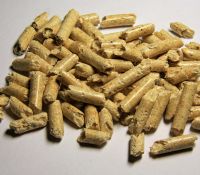
- Wood pellets
- Forestry residues (bark, sawdust)
- Pulping liquor (from paper mills)
Mostly used for:
- Residential heating
- Industrial heat and power
2. Liquid biofuels
- Includes:
- Ethanol (from corn/wheat)
- Biodiesel / renewable diesel
- Mainly used in the transportation sector as fuel additives or substitutes.
3. Gaseous biofuels
- Includes:
- Biogas
- Renewable natural gas (RNG)
- Used for heating, electricity, and injection into gas pipelines.
Where biomass is used
Industrial sector (largest user)
- Especially pulp and paper industry
- Uses wood waste to generate heat and electricity (cogeneration)
- Accounts for the majority of biomass consumption
Residential heating
- Wood is still widely used:
- About 9% of residential space heating (2020)
- Important in rural and remote communities
Electricity generation
- Biomass produces about:
- ~1–1.5% of Canada’s electricity
- Around 9,000 GWh annually
Geographic distribution
Biomass use is highest in provinces with strong forestry industries:
- British Columbia
- Ontario
- Quebec
- Alberta
- New Brunswick
Biomass resources in Canada
Canada has abundant sources:
- Forest residues (major source)
- Agricultural waste
- Municipal solid waste
- Animal residues
It is also a major exporter of wood pellets, especially to Europe and Asia.
Key advantages
- Renewable when sustainably managed
- Helps reduce greenhouse gas emissions
- Uses waste materials (forestry, agriculture)
- Supports rural economies
Challenges
- Sustainability concerns (e.g., forest harvesting)
- Air pollution from combustion
- Lower efficiency compared to some renewables
- Competes with land use (food vs fuel)
Conclusion
Biomass in Canada is:
- A significant renewable energy source, but smaller than hydro
- Used mainly for heat and industrial energy, not electricity
- Based largely on forestry resources
- Growing in importance for low-carbon fuels and decarbonization