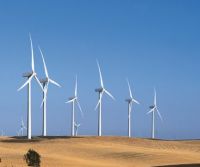
Wind power is a major part of the energy system in South Dakota, and the state is often cited as one of the leading wind-energy regions in the United States. Here’s a clear breakdown:
How important is wind power there?
- Wind is the largest source of electricity in South Dakota today.
- It has supplied 40–55%+ of total electricity generation in recent years, depending on the year and conditions.
- The state is among the top U.S. states by wind share, not necessarily total output (because of its smaller population).
In short: wind isn’t just important—it dominates the state’s energy mix.
Installed capacity and growth
- Around 3,400+ megawatts (MW) of wind capacity installed (as of ~2023).
- Hundreds of turbines across the state, with steady expansion since the early 2000s.
- Additional projects (hundreds of MW) are under construction or planned.
Wind development has grown quickly because:
- The state has strong, consistent winds (roughly 5.5–9 m/s at turbine height).
- Land is relatively open and inexpensive
- Policies and regional demand support renewable energy
Why South Dakota is good for wind
- Located in the Great Plains, one of the windiest regions in North America
- Flat terrain = ideal for large wind farms
- High “capacity factors” (efficient energy output from turbines)
The theoretical wind potential is enormous—far more than the state needs locally.
Challenges
Even with strong growth, there are limitations:
- Transmission lines: not enough capacity to export all the electricity produced
- Distance to major markets (cities outside the state)
- Intermittency (wind varies), requiring grid balancing
Conclusion
- South Dakota is a wind energy leader by percentage, not total volume
- Wind + hydropower together make the state one of the cleanest electricity systems in the U.S.
- Future growth depends heavily on grid expansion and energy storage