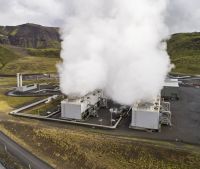
Both geothermal and wind energy are renewable, low-carbon sources, but they differ a lot in how they work, where they’re viable, and their trade-offs. Here’s a clear comparison to help you understand the strengths and limitations of each.
Basic Concept
- Geothermal energy taps heat from inside the Earth to produce electricity or direct heating. It relies on underground reservoirs of hot water or steam.
- Wind energy uses moving air to spin turbines, converting kinetic energy into electricity.
Reliability & Consistency
- Geothermal: Very reliable. It provides baseload power (runs 24/7) because Earth’s internal heat is constant.
- Wind: Intermittent. Power generation depends on wind conditions, which can vary hourly or seasonally.
If you need steady, always-on energy, geothermal has a clear advantage.
Location Constraints
- Geothermal: Limited to geologically active regions (e.g., volcanic areas like Iceland or parts of California).
- Wind: Much more flexible. Works in many regions, especially coastal areas, plains, and offshore.
Wind wins in terms of global scalability.
Cost
- Geothermal:
- High upfront costs (drilling, exploration).
- Low operating costs once built.
- Wind:
- Moderate installation costs.
- Continues to get cheaper, especially onshore wind.
Wind is generally cheaper and faster to deploy today.
Environmental Impact
- Geothermal:
- Very low emissions.
- Possible issues: land subsidence, release of underground gases, water usage.
- Wind:
- Zero emissions during operation.
- Concerns: visual impact, noise, and bird/bat collisions.
Both are clean, but each has localized environmental trade-offs.
Efficiency & Output
- Geothermal:
- Capacity factor: 70–90% (very high).
- Wind:
- Capacity factor: 25–50% (varies by location).
Geothermal plants produce more consistent output over time.
Development Time
- Geothermal: Long (exploration and drilling can take years).
- Wind: Faster to build and scale.
Conclusion
- Choose geothermal if:
- You’re in a suitable location.
- You need stable, continuous power.
- Choose wind if:
- You want scalable, cost-effective energy.
- Your region has good wind resources.