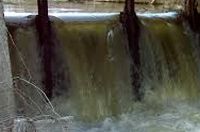
Here’s a quick overview of hydropower in Vietnam — how it fits into the country’s energy system, major projects, challenges, and its role in Vietnam’s transition toward cleaner energy:
Role of Hydropower in Vietnam’s Energy Mix
Hydropower has been a key electricity source in Vietnam for decades, historically contributing a significant share of the country’s power generation. It helped reduce dependence on fossil fuels and provided relatively low-carbon electricity compared with coal or gas.
- Vietnam is among the countries with high hydropower potential thanks to its numerous rivers and steep terrain.
- Many large, medium, and small hydropower plants are scattered across the country, collectively producing substantial energy and supporting national energy security.
Hydropower also supports flood control, irrigation, and local economic development in rural and mountainous areas, creating jobs and revenue for local governments.
Major Hydropower Projects in Vietnam
Here are some well-known hydropower facilities in the country:
Large Hydropower Dams
- Sơn La Dam (largest in Southeast Asia)
– Installed capacity: ~2,400 MW
– Annual generation: ~10,246 GWh
– One of the largest hydroelectric plants in Southeast Asia. - Hòa Bình Dam
– Capacity: 1,920 MW
– Major older project that has been expanded recently to match Sơn La’s output. - Trị An Dam
– Capacity: ~400 MW
– Supplies power to the Mekong Delta region. - Na Hang Dam
– Capacity: ~342 MW
– Located on the Gâm River with a significant reservoir and production potential. - Trung Sơn Dam
– Capacity: ~260 MW
– A more recent addition to Vietnam’s hydro fleet.
Small and Medium Hydropower
Vietnam also has many smaller hydropower plants (sometimes called “run-of-river” facilities) and continues to develop new ones, especially in mountainous provinces such as Ha Giang, where more than 40 small projects with ~760 MW capacity are already operating.
New smaller plants like the Na An hydropower project (about 10 MW) are also being commissioned to support local grids and diversify energy supply.
Contribution to the Power System
Hydropower historically accounted for a substantial share (often 20–30 % or more) of Vietnam’s electricity generation, though this varies year-to-year depending on rainfall and seasonal water availability.
However, in recent years coal has dominated the overall power mix, especially during dry seasons when hydro output drops and demand peaks.
Hydropower remains important for:
- Balancing the grid (it can be dispatched flexibly compared with some renewables)
- Supporting rural development and local economies
- Reducing greenhouse gas emissions relative to thermal generation
Challenges and Environmental Concerns
While hydropower offers renewable energy benefits, it also brings social and environmental challenges:
- Ecological impacts: large dams alter river ecosystems, affect fish migration, and change sediment flows.
- Displacement: communities near reservoirs can be relocated or see changes in livelihoods.
- Variable water availability: drought and climate variability can reduce output, stressing the grid at peak times.
Because of these issues, Vietnam is balancing hydropower with other renewables like solar and wind, and planning energy development through its power development strategy into the 2030s and beyond.
Conclusion
Hydropower remains a central component of Vietnam’s electricity generation and renewable strategy:
- It supplies a significant share of domestic power and supports local economies.
- The country has large flagship dams and many small plants on rivers across its territory.
- It helps reduce carbon emissions, though output fluctuates with water availability.
- Environmental and social impacts are ongoing concerns prompting more diversified renewable plans.