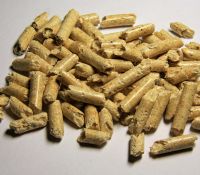
Biomass use in Australia refers to the use of organic materials (plant or animal matter) to produce heat, electricity, and fuels. It is a type of renewable energy and forms an important part of Australia’s renewable energy mix.
1. Contribution of Biomass to Australia’s Energy
- Biomass contributes about 4% of Australia’s total energy supply.
- In 2023–24, biomass provided about 162.9 petajoules (PJ) of energy.
- It accounted for around 29% of Australia’s renewable energy consumption, making it one of the largest renewable sources after solar and wind.
- However, its share in electricity generation is relatively small (around 1% or less).
2. Main Sources of Biomass in Australia
The main biomass resources used for energy include:
1. Agricultural residues
- Bagasse (sugarcane waste) – one of the biggest biomass sources.
- Used mainly in sugar mills to generate heat and electricity.
2. Wood and forestry residues
- Firewood
- Wood chips and sawmill waste
- Forestry by-products
3. Waste materials
- Municipal solid waste
- Industrial organic waste
4. Biogas
- Gas produced from:
- Landfills
- Sewage treatment plants
- Animal manure
5. Biofuels
- Ethanol from wheat or sugar by-products
- Biodiesel from vegetable oils or animal fats.
3. Main Uses of Biomass Energy
Biomass in Australia is used for:
1. Electricity generation
- Burning biomass in power plants.
- Sugar mills generate electricity from bagasse.
2. Heat production
- Industrial heating (e.g., sugar and timber industries).
- Household heating using firewood.
3. Transport fuels
- Bioethanol and biodiesel blended with petrol or diesel.
4. Waste-to-energy
- Converting organic waste into energy through combustion or biogas.
4. Where Biomass is Most Used
- Queensland – major producer because of the sugarcane industry.
- New South Wales – landfill gas and waste-to-energy projects.
- Victoria and Tasmania – forestry residues and wood waste.
5. Advantages of Biomass in Australia
- Uses agricultural and forestry waste efficiently.
- Provides reliable baseload renewable energy (not weather-dependent).
- Helps reduce landfill waste and greenhouse gas emissions.
- Supports rural economies and industries.
6. Challenges
- Limited large-scale investment compared with solar and wind.
- Transport and collection of biomass can be expensive.
- Environmental concerns if forests are overharvested.
- Lower efficiency compared with some other renewables.
Summary:
Biomass plays a modest but important role in Australia’s energy system. It contributes around 4% of total energy and nearly one-third of renewable energy consumption, mainly from bagasse, wood waste, and landfill gas. Although smaller than solar and wind, it helps provide reliable renewable energy and waste management benefits.