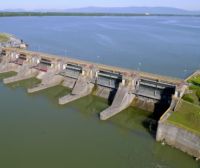
Small hydroelectric power (small hydro) in Brazil is a significant part of the country’s efforts to diversify and expand its renewable energy mix:
What “Small Hydro” Means in Brazil
In Brazil, small hydroelectric plants are generally classified into two categories:
Pequenas Centrais Hidrelétricas (PCHs)
- Power output typically between 5 MW and 30 MW. Some definitions extend to up to 50 MW.
- Small reservoirs (up to 13 km²).
- Designed to generate clean energy with comparatively lower environmental impact than large dams.
- They often serve local or regional grids and can be located close to demand centers, reducing transmission losses.
Centrais Geradoras Hidrelétricas (CGHs)
- Even smaller than PCHs, with up to 5 MW capacity.
- Often require simpler regulatory processes compared to larger hydropower.
Current Status and Importance
Installed Capacity & Number of Plants
- There are hundreds of PCHs operating across Brazil, with several hundred more CGHs active as well.
- PCHs alone account for several thousands of MW of installed capacity — representing a non-negligible portion of the national grid.
- Small hydro contributes several percent of Brazil’s total electricity capacity — supplementing large hydro and other renewables.
Examples:
- The Tamboril small hydro plant (15.8 MW) in Goiás state supplies renewable electricity to local communities.
- In Paraná, a newly commissioned PCH (~28 MW) can power thousands of homes in its region.
Growth & Future Potential
Expansion Potential: Brazil has a sizable untapped potential for small hydro — estimates suggest capacity could grow many times current levels if regulatory and market barriers are addressed.
Recent Trends:
- Over the past few years, dozens of PCHs and CGHs have been commissioned, adding hundreds of MW of capacity.
- Many more projects are under development or awaiting regulatory approval.
Challenges
While potential is large, the sector faces hurdles:
- Competition from solar and wind: Renewables such as solar PV and wind have grown faster, making it harder for small hydro to compete without policy support.
- Market and regulatory issues: Incentives and transmission cost allocations currently favor other technologies — advocates in the small hydro sector are calling for reforms to improve competitiveness.
Why Small Hydro Matters
✔ Renewable & dispatchable: Unlike wind and solar, small hydro can provide stable, controllable electricity output.
✔ Local benefits: These plants offer jobs during construction and operations and can boost regional development by supplying nearby communities reliably.
✔ Environmental footprint: Lower reservoir size and modern design can reduce environmental impacts compared with larger hydropower projects.