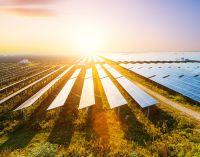
Here’s a clear overview of solar power in the U.S. state of Arkansas — including generation, growth, policies, incentives, and how it works for residents and businesses:
Solar Power Growth & Capacity in Arkansas
- Solar energy capacity in Arkansas has been growing, with many utility-scale solar projects built recently and more scheduled through 2026. These large solar farms (20 MW or larger) are being constructed across multiple counties.
- Growth in solar has been strong — for example, Arkansas added 1,100 MW of solar in 2024 and about 400 MW more expected in 2025.
- Even with expanded utility-scale build-out, solar occupies a very small share of agricultural land — around 0.2 % statewide under current projections.
Residential & Small-Scale Solar
Incentives & Costs
- Federal Investment Tax Credit (ITC): Homeowners and businesses installing solar can claim a 30 % federal tax credit on the cost of panels and installation if systems are put into service by the end of 2025 (this may change, so check current IRS rules).
- State Level: Arkansas does not currently offer state solar tax credits or rebates — no state income tax credit or performance incentive.
- Property Tax Treatment: Solar installations are generally exempt from increasing your property tax assessment, so adding panels doesn’t raise your tax bill.
Net Metering & Utility Policies
- Many utilities in Arkansas (including Entergy Arkansas and some electric cooperatives) offer net metering or credit mechanisms where excess solar electricity you generate can offset your future bills. However, policies vary widely and credits might be at avoided cost (wholesale) rather than retail in some cases.
- Some older grandfathered systems retain more favorable net metering terms, but newer installations may face reduced credits.
Costs & Economics
- Typical solar system costs in Arkansas vary but recent data shows average installed prices around $2.50–$3.30 per watt before incentives — meaning a typical home system could cost tens of thousands of dollars before incentives.
- Solar can still offer strong long-term savings on electricity bills, especially if combined with batteries to store power for evening use.
Utility-Scale & Business Solar
- Utility solar projects continue expanding in Arkansas, with several large farms already producing power and more coming online by 2026.
- Energy companies (e.g., Entergy Arkansas) offer Solar Energy Options where customers can effectively support or buy solar power produced elsewhere on the grid.
Summary: Solar in Arkansas
Pros
- Solar capacity is rapidly expanding with both utility-scale and smaller projects.
- Federal tax credit (ITC) makes solar installations much more affordable.
- Net metering and property tax protections can improve savings.
Cons
- No state-specific solar tax credits or rebates.
- Net metering credit value and structure vary by utility and have weakened in some areas.
- Upfront costs still significant, making financing or longer payback periods a consideration