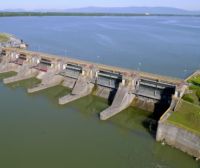
Hydropower plays a significant role in Mexico’s renewable energy sector. The country has a number of hydroelectric plants that help meet its electricity demand while also contributing to its efforts to reduce greenhouse gas emissions. Here are some key points about hydropower in Mexico:
1. Hydropower Capacity
- Installed Capacity: Mexico has an installed hydropower capacity of around 12,000 MW, which accounts for approximately 10-15% of its total electricity generation.
- Hydroelectric Plants: There are several large-scale hydroelectric plants across the country, especially in regions with substantial river systems, such as the Grijalva and Usumacinta rivers in the south and Lerma river system in central Mexico.
2. Geographic Distribution
- Hydropower facilities are spread across various parts of the country, with notable concentrations in the states of Chiapas, Veracruz, Hidalgo, Guanajuato, and Oaxaca.
- The Cahuasco and Peñitas dams are two of Mexico’s largest and most important hydropower plants.
3. Role in Energy Mix
- Hydropower is Mexico’s second-largest renewable energy source, after wind power. It contributes to the overall renewable energy share, which is growing due to the country’s goals for decarbonization and climate change mitigation.
- However, the percentage of total electricity generation from hydropower can fluctuate from year to year due to varying levels of precipitation, which affects water availability for dams.
4. Hydropower and Environmental Concerns
- While hydropower is considered a clean source of energy, there are concerns related to its environmental impact, particularly regarding the disruption of local ecosystems, fish migration, and the displacement of communities.
- The construction and operation of large dams also raise concerns about water scarcity in the regions downstream.
5. Government Plans and Policies
- Mexico’s energy reform policies have been focusing on increasing the share of renewable energy in its overall energy mix. In line with this, the government has promoted investments in hydropower, along with other renewable sources like wind, solar, and geothermal.
- In 2020, Mexico’s National Energy Transition Strategy highlighted hydropower as one of the critical areas for the country’s transition to cleaner energy sources.
6. Challenges
- Climate Change: Changes in precipitation patterns due to climate change pose a long-term threat to hydropower production, especially during dry years when water levels in reservoirs drop.
- Aging Infrastructure: Many of Mexico’s hydropower plants were built in the mid-20th century, and some are in need of modernization and maintenance to ensure long-term efficiency and safety.
7. Small-Scale and Run-of-River Projects
- There has been growing interest in smaller, run-of-river hydroelectric projects, which do not require large dams or reservoirs. These projects have a smaller environmental footprint and can be more sustainable.
- These smaller projects are being explored as an alternative to large-scale hydropower, especially in remote and rural areas.
8. Economic Impact
- Hydropower is crucial for local economies, particularly in areas where large plants are located. It creates jobs, stimulates local economies, and provides an affordable source of energy.
- Mexico exports electricity to the U.S., and hydropower plays a role in meeting that demand.
In summary, hydropower remains a vital part of Mexico’s energy portfolio, contributing both to national electricity generation and environmental goals. However, the country faces challenges related to climate change, infrastructure maintenance, and environmental impacts that may affect the sustainability of its hydropower resources in the future.