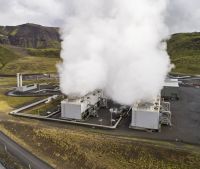
What is geothermal energy?
Geothermal energy comes from the heat stored beneath the Earth’s surface. It can be used for:
- Electricity generation, where high temperatures are reached,
- Direct-use heat applications, such as district heating, spas, greenhouses, or heat pumps for buildings.
It’s renewable, low-carbon, and provides stable energy 24/7, unlike weather-dependent sources.
1. Current use in Portugal
Electricity production
- Portugal produces geothermal electricity mainly in the Azores, especially on São Miguel and Terceira islands.
- There are multiple geothermal plants (binary cycle and other technologies), with a combined installed capacity around ~33 MW and generation of ~178 GWh/year.
- On São Miguel, geothermal contributed a significant share of electricity for the island’s consumption historically and continues to be important locally.
Direct heat use on the mainland
- Continental Portugal (mainland) mostly uses geothermal in low-enthalpy applications:
- Spa and wellness (balneotherapy),
- Space heating,
- Heating greenhouses and buildings with heat pumps.
- Most of the mainland’s geothermal resource is suitable for heating rather than electricity production due to lower subsurface temperatures.
Heat pump and industrial projects
- Large heat pump systems (e.g., Bosch facility in Braga) use shallow geothermal energy for heating and cooling, cutting CO₂ emissions.
2. Geothermal resources and mapping
- Portugal has identified many geothermal occurrences (hot water with >20 °C), some used for direct heat.
- Examples of geothermal utilization:
- Caldas de Monção — heating of spas and buildings, starting around 2015.
- Caldas de Chaves — long-standing use of thermal water for heat.
There’s also interest in geothermal district heating networks (e.g., proposed in Chaves), although some projects remain in planning phases.
3. Research, potential and future prospects
Research & innovation
- Portuguese institutions and national geological bodies (like LNEG) are studying and mapping geothermal potential, including deeper systems and future technologies like Enhanced Geothermal Systems (EGS).
Conferences & strategic discussions
- National seminars (e.g., Seminário de Geotermia 2025) are exploring:
- Current status,
- Case studies (continental and island),
- Legal frameworks,
- Future challenges and opportunities.
Legal & regulatory context
- Portugal established early regulation (Decree-Law in the 1970s) focused on geothermal exploitation in the Azores, later expanded for low-enthalpy use on the mainland.
4. Challenges & opportunities
Challenges
- Limited electricity potential on the mainland due to geology and costs of deep drilling.
- Investment still modest compared to wind or solar.
Opportunities
- District heating systems and heat pumps can substantially reduce emissions in buildings and industry.
- Advanced technologies (e.g., EGS) could unlock deeper geothermal resources in the future.
Quick Summary
- Significant geothermal electricity exists in the Azores, contributing meaningfully to local grids.
- Mainland Portugal focuses on heat applications (spas, heating/cooling, industrial heat).
- Research and policy discussions are increasing, and there’s growing interest in expanding geothermal’s role in the national energy mix.