1. Role of Hydropower in California’s Electricity Mix
- Significant renewable source: Hydropower has traditionally been one of California’s key renewable energy sources, though its contribution varies year-to-year based on water conditions (snowpack and rainfall).
- Share of electricity: In recent years, hydropower has supplied around ~11 % of California’s in-state electricity, but this number can swing higher (wet years) or lower (dry years).
- Large vs small hydro: Hydropower in California includes both large facilities and smaller plants — in 2024, large hydro produced about 11 % of in-state generation and small hydro about 1.5 %.
Key point: Hydropower is renewable and low in carbon emissions, but it is excluded from California’s main renewable targets (like the 100 % clean energy by 2045 mandate) due to its variability and drought sensitivity.
2. How Hydropower Works in California
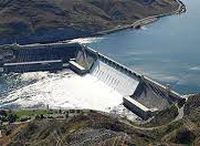
Hydropower plants use flowing water to spin turbines, generating electricity. Water collected in reservoirs behind dams flows down through turbines, converting potential energy into electrical power.
- Run-of-the-river systems generate power without large storage reservoirs.
- Reservoir systems store water and can generate on demand, helping balance intermittent solar/wind — though they depend on rainfall and snowmelt.
3. Major Hydropower Projects
Big Creek Hydroelectric Project
One of California’s oldest and largest systems, on the San Joaquin River, featuring multiple power plants built over decades.
Upper North Fork Feather River Project
A large hydro system in the Sierra Nevada with multiple dams and plants totaling over 360 MW capacity.
Mammoth Pool Dam
Hydroelectric dam on the San Joaquin River generating around 190 MW.
UARP (Upper American River Project)
Operated by SMUD, this network of reservoirs and powerhouses supplies a significant portion of power for Sacramento area utility customers.
Other Facilities
Other dams like Pit-3 Dam or smaller plants at reservoirs like Nacimiento contribute to the state’s hydropower.
4. Challenges & Variability
Drought Sensitivity
Hydropower fluctuates a lot depending on water availability — during drought years, generation can drop dramatically, forcing more reliance on fossil fuels like natural gas.
Climate Trends
Drier years reduce reservoir levels and snowmelt, significantly shrinking hydro output. Conversely, wet seasons can boost hydropower production considerably.
Variability Example (Recent Data)
In 2024:
- Hydropower’s share: ~11 % large hydro + ~1.5 % small hydro of in-state generation.
- Overall renewable power (hydro + wind + solar + geothermal) was around 60 % of the state’s generation.
5. Future Potential & Policies
- There’s some potential in adding hydropower at existing dams and in new small-scale or marine hydro technologies, though major new large dams are unlikely due to environmental and legal constraints.
- California’s clean energy policies focus more on solar, wind, and storage — but hydro remains valuable for grid reliability and dispatchable power when water is available.