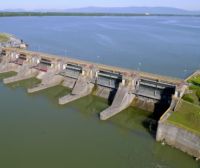
Hydropower in Florida exists, but it plays a very minor role in the state’s electricity system.
Overall picture
- Contribution: Hydropower provides less than 1% of Florida’s total electricity.
- Reason: Florida’s flat terrain and slow-moving rivers limit the potential for large or efficient hydroelectric dams.
Where hydropower is used
Florida’s hydropower comes mainly from small dams on rivers in the northern and central parts of the state.
Common locations include:
- The Apalachicola–Chattahoochee–Flint (ACF) River Basin
- The Ocklawaha River
- The St. Johns River
These facilities are mostly run-of-the-river systems, meaning:
- No large reservoirs
- Minimal water storage
- Power output depends on river flow
Characteristics of Florida hydropower
Advantages
- Renewable and low greenhouse gas emissions
- Reliable baseline power when water flow is steady
- Long operational life
Limitations
- Low power output due to limited elevation drop
- Sensitive to droughts and seasonal rainfall
- Environmental concerns (fish migration, wetlands, water quality)
- Few opportunities for new development
Role in Florida’s energy mix
Florida relies far more on:
- Natural gas (dominant source)
- Solar energy (rapidly expanding)
- Nuclear power
Hydropower is expected to remain small and localized, mainly maintaining existing facilities rather than expanding.
Conclusion
- Hydropower is not a major energy source in Florida
- Geography is the main limiting factor
- Solar energy is Florida’s most promising renewable resource