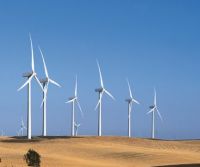
Wind power is an important part of the energy system in Hawaii, especially because the islands want to reduce dependence on imported fossil fuels.
Overview of wind power in Hawaii
- Hawaii has over 130 wind turbines with about 236 MW total capacity
- Wind provides roughly 6–8% of electricity in recent years
- Projects are mainly located on islands like Oʻahu, Maui, and Hawaiʻi (Big Island)
Because Hawaii is isolated (no connection to other grids), managing wind energy is more complex than on continents.
Major wind farms
Here are some key projects:
- Kaheawa Wind Power
- One of the largest
- Capacity: 51 MW
- Kawailoa Wind Farm
- Capacity: 69 MW
- Kahuku Wind Farm
- Capacity: 30 MW, powers ~7,700 homes
- Hawi Wind Farm
- Capacity: about 10.6 MW
Future potential
- Hawaii has the potential for ~3,000 MW onshore wind
- Offshore wind could generate massive amounts of energy (millions of GWh/year)
- Plans for floating offshore wind farms are under development
Challenges
Wind energy in Hawaii faces some unique issues:
- Grid isolation → no way to export excess electricity
- Variability → wind is not constant
- Environmental concerns → impact on birds and bats
- Community opposition → noise, visual impact
Conclusion
Wind power is a key renewable source in Hawaii, but it’s only part of the solution. The state is combining it with solar, batteries, and possibly geothermal to reach its goal of 100% clean energy.