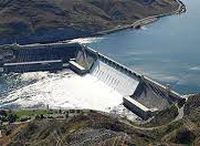
Hydropower in Arkansas: Overview
- Arkansas uses hydroelectric power as one of its renewable energy sources, though it represents a smaller portion of the state’s electricity generation compared with fossil fuels and nuclear power.
- Most hydroelectric generation comes from larger multipurpose dams (built for flood control, navigation, and recreation as well as energy) and some smaller run-of-river projects on rivers like the Arkansas and White.
- Historically, projects date back to the 1920s, with early facilities like Remmel Dam and Mammoth Spring Dam, and expanded significantly with U.S. Army Corps of Engineers (USACE) dams after the 1938–1954 Flood Control Acts.
Hydropower helps diversify Arkansas’s energy portfolio and provides peaking and seasonal generation, though output varies with rainfall and river conditions.
Major Hydropower Facilities in Arkansas
Here are some significant hydroelectric projects in the state:
US Army Corps of Engineers Powerhouses
Many of Arkansas’s largest hydro plants are on Corps-managed reservoirs:
- Bull Shoals Dam (White River) – One of the largest hydroelectric plants in the state, built in 1951. Larger Corps plants like this contribute significant generation capacity.
- Norfork Dam – On the North Fork of the White River, operational since 1944.
- Greers Ferry Dam – Creates Greers Ferry Lake and has an installed capacity around 96 MW.
- Dardanelle Dam – On the Arkansas River with substantial generation capacity, operational since 1965.
- Blakely Mountain Dam – On the Ouachita River since 1955, still producing hydroelectric power.
Smaller and Cooperative-Owned Hydroelectric Plants
In addition to major federal dams, Arkansas has smaller hydro plants:
- Wilbur D. Mills Dam Hydroelectric Station – Part of the McClellan-Kerr Arkansas River Navigation System with about 102.6 MW capacity.
- Dam 2 (Dumas) – A hydroelectric plant on the Arkansas River owned by Arkansas Electric Cooperative Corp.
- Ellis Hydro (Van Buren) – Another cooperative plant on the Arkansas River.
White River Lock and Dam Hydroelectric Projects
These smaller run-of-river projects on the White River include:
- White River Lock and Dam No. 1 – ~4.3 MW capacity.
- White River Lock and Dam No. 2 – ~3.9 MW capacity.
- White River Lock and Dam No. 3 – ~4.3 MW capacity.
Historical Context
Arkansas’s hydroelectric development began early in the 20th century:
- Remmel Dam (1924) near Hot Springs was among the first large hydro plants.
- Projects expanded significantly mid-century with federal investments in multipurpose dams.
These dams not only generate electricity but also support flood control, navigation, water supply, and recreation.
Conclusion
- Hydropower in Arkansas includes federal (USACE) dams as well as smaller cooperative and lock-and-dam plants.
- It provides clean renewable electricity, though it’s a relatively modest part of the overall energy mix.
- Generation capacity ranges from multi-megawatt dams to smaller run-of-river projects on major rivers like the Arkansas and White.