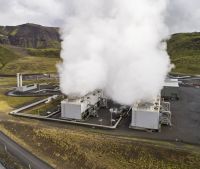
Geothermal energy in Finland refers to using the natural heat stored beneath the Earth’s surface for heating (and potentially electricity generation). In Finland’s cold climate, it’s mainly focused on heating solutions, both at household and district scale, though technologies vary from shallow ground-source systems to medium-deep geothermal projects.
What geothermal energy includes in Finland
1. Ground-source heat (shallow geothermal)
This is the most common type in Finland’s built environment today:
- Systems use boreholes about 200–400 m deep to extract heat via heat pumps for residential or building heating and cooling.
- This type is widely used for individual homes and buildings and is often referred to locally as maalämpö (ground heat). Although sometimes colloquially called “geothermal,” it differs from deep geothermal in how the energy source is accessed.
2. Medium-deep geothermal energy
This refers to deeper drilling (typically up to ~2 km):
- Research by the Geological Survey of Finland (GTK) shows substantial medium-deep geothermal potential for low-carbon heating solutions in urban areas. Extraction from one ~2 km borehole could supply 600–1 200 MWh/year, enough to significantly offset traditional heating sources.
- Several medium-deep geothermal projects are underway, with stakeholders implementing and testing wells from ~500 m to ~2 000 m depth across the country; interest is strong but expertise and uniform planning practices are still evolving.
3. Pilot and district geothermal projects
Several practical projects aim to demonstrate larger-scale geothermal heating in Finland:
- First geothermal heating plant: The geothermal heating plant in Vantaa’s Varisto district began operations using ~800 m deep wells, producing an estimated ~2 600 MWh/year for local district heating.
- Geothermal wells in Salo: A multi-well project in Salo is intended to supply about 14 GWh/year, roughly the heating needs of ~700 homes, supported by public funding.
- Further geothermal district heating and well drilling efforts (e.g., in Espoo) have been developed or planned by companies such as Fortum and St1.
Funding & support
Finland is actively investing in geothermal development. For example, EUR 3.4 million in research funding was granted to the “Geoenergy Leap” project, which supports medium-deep geothermal utilization, including drilling, modelling, and risk reduction for geothermal heat projects.
Role in Finland’s energy mix
- Although geothermal and biomass consumption historically have fluctuated, their combined share remains a part of Finland’s renewable primary energy mix.
- Other renewables like wind and solar are expanding rapidly and make up much larger shares of electricity production, but geothermal’s role is growing particularly in heating applications.
Challenges & outlook
Challenges:
- Drilling deeper geothermal wells is technically complex and currently cost-intensive.
- Expertise varies across projects, and standardized planning practices are still developing.
Outlook:
- Finland has significant medium-deep geothermal potential, especially for heating dense urban areas without fossil fuels.
- Continued research, stronger geological data, and supportive funding are likely to expand geothermal use in the coming years.