Here’s a interesting overview of biomass use in Italy — covering current utilization, sectors, volumes, and role in the energy mix:
What “biomass” means in Italy
Biomass refers to organic materials used as fuel or feedstock to generate energy. In Italy this includes:
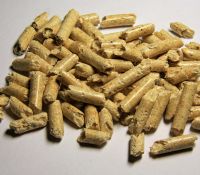
- Solid biomass — wood, wood chips, pellets, forestry/agri residues
- Biogas/biomethane — from agricultural waste and manure
- Biofuels — biodiesel, bioethanol for transport (smaller share)
Role in Italy’s energy system
Heating and thermal use
- Biomass — especially wood and wood pellets — is one of the most widely used renewables for heat in Italy. In 2021 it contributed about 64 % of thermal energy from renewables (direct use in stoves, boilers, fireplaces) and remains central for heating homes.
- Today 21 % of Italian households heat with wood/pellets, with especially high shares in small towns and mountain areas.
Electricity generation
- Biomass and biogas contribute to renewable electricity, though at a smaller share than solar and wind. Biomass accounted for around 4 % of total renewable energy consumption (electricity basis) as of recent data — with solid biomass plants mainly in northern/central regions.
Transport and biofuels
- Italy’s energy strategy plans to increase sustainable biofuels and particularly biomethane production for transport uses. Biomethane production (from waste and agricultural residues) could grow significantly by 2030, potentially meeting ~10–13 % of current natural gas demand.
Biomass in Italy’s energy mix
- Renewable heat: Solid biomass is the dominant source — larger than solar thermal or geothermal — in renewable heating.
- Electricity: Biomass is a smaller portion than wind, solar, and hydro but makes a consistent contribution to Italy’s renewable electricity portfolio.
- Overall energy consumption: Biomass supplies part of the renewable energy share in Italy, but fossil fuels still dominate the total energy supply.
Trends and developments
Modernization and growth
- The number of biomass heaters and boilers installed in Italy is large (~9 million units), with pellets growing faster than traditional firewood equipment.
- Policy frameworks like Italy’s National Energy and Climate Plan promote better efficiency, sustainable biomass sourcing, and a stronger bioenergy sector to help meet 2030 renewable targets.
Challenges
- Domestic availability of biomass (especially woody residues) is limited by land use and accessibility, so Italy also relies partly on imports of pellets and wood products.
- Ensuring sustainability, low emissions, and modern technology are ongoing policy focuses.