Here’s a quick information about solar power in Japan — how big it is now, how fast it’s growing, and what role it plays in Japan’s energy transition:
Current Solar Power in Japan
- Installed solar capacity: Japan’s cumulative solar photovoltaic (PV) capacity has recently reached around 100 GW (gigawatts) of solar installations. This includes both large utility-scale plants and distributed residential solar systems.
- Electricity generation share: Solar power accounted for about 11.4 % of Japan’s total electricity produced in 2024, making it the largest single renewable source in the country’s electricity mix.
- Global ranking: Japan is one of the top countries worldwide in terms of installed solar capacity, typically ranked just behind China and the United States.
Growth and Policy Support
- Strong expansion over the past decade: Japan’s solar capacity grew more than tenfold over roughly ten years after the introduction of a feed-in tariff system that incentivized installations.
- Future targets: The government has set ambitious goals for solar — planning for substantial increases in installed capacity through the 2030s and into 2040, with targets cited of 108 GW by 2030 and even higher long-term goals under evolving energy plans.
- Technology and market growth: Japan is fostering next-generation solar technologies (like perovskite cells) and sees robust market expansion, with the solar sector’s market valuation expected to grow significantly over the next decade.
Deployment Context
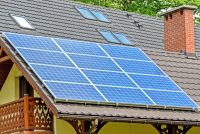
- Residential + utility mix: Solar in Japan includes both residential rooftop installations and large “mega-solar” farms, though the pace of adding new capacity has slowed compared to the early boom years.
- Urban and space constraints: Because Japan has limited open land, there’s increasing interest in solar on rooftops, buildings, and even agrivoltaics (solar over farmland) to maximize use of space.
Integration Challenges & Solutions
- Grid integration: As solar generation grows, Japan — like many countries — is expanding battery storage projects (e.g., large battery systems in Fukushima) to help stabilize the grid against solar’s variable output.
- Balancing with other energy sources: Solar is part of a broader energy strategy that also involves nuclear and other renewables to meet future goals for energy security and carbon neutrality.
Context in the Energy Mix
- Renewables overall (including solar, wind, hydro, biomass) made up about 26–27 % of Japan’s electricity generation as of 2024, with solar contributing the largest part of that renewable share.