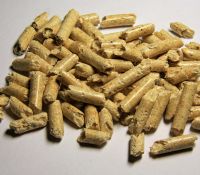
Brazil is a global leader in biomass use, especially in renewable energy and biofuels. Biomass — organic material like plant residues, agricultural waste and other biological sources — plays an important role in Brazil’s energy mix across electricity generation, industry and fuels.
Biomass in Brazil’s Energy Mix
1. Electricity generation
Brazil has hundreds of biomass-powered power plants that generate electricity by burning or converting organic materials. In 2023, biomass generation reached record levels: about 3,218 MW on average, supplying roughly 4.6 % of national electricity consumption. There are over 600 biomass plants nationwide — many using sugarcane bagasse, forestry residues, black liquor from paper production, and biogas.
Main biomass sub-sources:
- Sugarcane bagasse: the most used biomass source (over 400 facilities with ~12,410 MW capacity).
- Black liquor (from pulp/paper): fewer plants but high-energy output.
- Forestry waste and biogas: also contribute to electricity generation.
Brazil’s electricity system overall is highly renewable (~90 %+), with biomass complementing hydro, wind and solar.
Biomass and Biofuels in Transport & Industry
2. Biofuels
Brazil is one of the world’s largest producers of biofuels — particularly ethanol from sugarcane and biodiesel from soybeans. These biofuels are derived directly from biomass and widely used in transport. Policy measures are increasing mandated blending levels (e.g., higher ethanol and biodiesel content in fuels), which supports demand and energy security.
3. Industry Usage
Industrial energy use from renewable sources — including biomass — is significant. Recent data show that over 64 % of energy consumed in Brazilian industry comes from renewables like biomass, solar and wind.
Why Biomass Matters in Brazil
4. Agricultural and economic context
Brazil’s large agricultural sector — especially sugarcane cultivation — provides huge volumes of biomass feedstock like bagasse and straw. This agricultural biomass supports both power generation and biofuel production. Studies show agribusiness-related energy (including biomass) can account for a large share of total energy supply.
5. Global leadership
Research indicates Brazil ranks among the top countries worldwide for using biomass in energy production, with a significant share of global biomass energy use.