Here’s a quick overview of geothermal energy in the U.S. state of Delaware — especially how it’s currently used (and not used) and what opportunities exist:
1. Electric-Generation vs. Heating Use
Electricity Generation
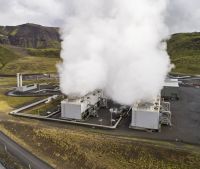
- Delaware does not have utility-scale geothermal electricity plants; there are no geothermal power stations generating electricity within the state. In official state energy planning, geothermal is listed among eligible renewable generation technologies, but none is currently producing grid power.
Building Heating & Cooling
- Geothermal energy in Delaware is primarily used for heating and cooling buildings via geothermal heat pumps (also called ground-source heat pumps). These systems use relatively constant underground temperatures to heat in winter and cool in summer — a form of renewable thermal energy rather than electrical generation.
2. Incentives & Programs in Delaware
Delaware supports geothermal heat pumps through several rebate and grant programs, mainly managed by state energy offices and utilities:
Green Energy Program (DNREC)
- The Delaware Department of Natural Resources and Environmental Control (DNREC) Green Energy Program provides rebates for geothermal heat pump installations, along with solar and wind technologies.
Utility-Sponsored Incentives
Depending on your utility territory, Delaware customers can qualify for geothermal incentives:
- Delmarva Power Green Energy Fund – offers rebates for geothermal heat pumps ($ per ton installed), with amounts varying by customer type.
- Municipal Green Energy Grants (through local utilities or the Delaware Electric Cooperative) also provide rebates for geothermal installations, again typically calculated per “ton” of heat pump capacity.
Rebates are typically structured as a fixed dollar amount per ton of geothermal heat pump capacity, which helps offset the higher upfront cost of these systems.
Participating Contractors
- DNREC maintains a list of contractors qualified to install geothermal systems under state programs — an important step for eligibility.
3. How Geothermal Heat Pumps Work in Delaware
- These systems are well-suited to Delaware’s moderate climate: since ground temperatures under the surface vary less than air temperature, geothermal heat pumps can be very efficient for both heating and cooling homes and buildings.
- They don’t generate electricity directly but reduce energy demand for HVAC, cutting operating costs and carbon emissions compared with conventional furnaces/air conditioners.
4. State Energy Context
- Place Delaware’s geothermal use in context: the state’s renewable electricity mix is currently dominated by solar, wind, and landfill gas. Traditional geothermal electricity doesn’t contribute to the electric grid, although geothermal heat pumps contribute to decarbonization through efficient heating/cooling.
Summary
In Delaware:
- No geothermal electricity generation currently exists.
Geothermal energy does not contribute measurable electric capacity. - Geothermal is used for heating/cooling — primarily through geothermal heat pumps.
- State and utility programs provide rebates to help offset installation costs.
- Contractors must be registered with state programs to qualify for rebates.