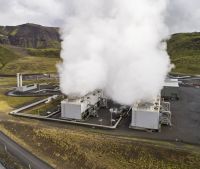
Geothermal energy is reliable and low-carbon, but several practical limits keep it from being widely used compared to solar or wind. Here are the main reasons:
1. Location Constraints
Geothermal power plants need very specific underground conditions—hot rocks, water, and accessible reservoirs.
- High-potential regions include places near tectonic plate boundaries, such as Iceland, Indonesia, and parts of the western United States.
- Many countries simply don’t have easily accessible geothermal resources.
Unlike solar or wind, you can’t just install geothermal anywhere.
2. High Upfront Costs
- Drilling deep wells (often 1–3 km or more) is very expensive.
- Exploration is risky — you might drill and find the resource isn’t economically viable.
- Initial investment is higher than for solar or wind farms.
Although operating costs are low, the early financial risk discourages investors.
3. Exploration Risk
Before building a plant, companies must:
- Conduct geological surveys
- Drill test wells
- Confirm temperature and flow rates
There’s no guarantee of success, making financing harder compared to predictable technologies like solar.
4. Limited Public Awareness & Policy Support
Solar and wind have received:
- Heavy government subsidies
- Strong media attention
- Rapid cost declines due to mass production
Geothermal hasn’t scaled in the same way.
5. Technical & Environmental Concerns
While cleaner than fossil fuels, geothermal can:
- Release small amounts of underground gases
- Trigger minor earthquakes (especially with enhanced geothermal systems)
- Require water management
For example, induced seismicity has been debated in projects in places like Basel.
6. Slow Development Timeline
A geothermal project can take:
- 5–10 years from exploration to operation
Solar or wind farms can be built much faster.
So Why Use It At All?
Where resources are strong, geothermal is excellent because it provides:
- 24/7 baseload power (unlike solar/wind)
- Very low emissions
- Small land footprint
- Long plant lifespans (30–50+ years)
That’s why countries like Iceland generate most of their electricity and heating from geothermal sources.