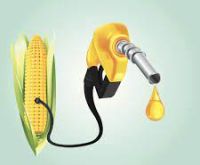
Biofuels in Ireland are mainly used in the transport sector as renewable fuels blended with petrol and diesel to reduce greenhouse-gas emissions and dependence on fossil fuels. They are an important part of Ireland’s strategy to meet EU renewable energy and climate targets.
1. Main use of biofuels in Ireland
In Ireland, biofuels are used primarily in road transport rather than electricity or heating.
- Biofuels are blended into conventional fuels:
- Bioethanol blended with petrol (around 5% currently).
- Biodiesel blended with diesel (around 7% currently).
- The renewable part of transport fuel mostly comes from these blends rather than pure biofuels.
By 2024:
- About 9% of road diesel energy came from biofuels.
- About 6% of road petrol energy came from biofuels.
Biofuels supply over 95% of renewable energy used in transport in Ireland, with smaller contributions from renewable electricity (electric vehicles) and biomethane.
2. Types of biofuels used
Common biofuels used in Ireland include:
- Biodiesel (FAME) – made from vegetable oils, animal fats, or used cooking oil.
- Hydrotreated vegetable oil (HVO) – an advanced renewable diesel.
- Bioethanol – made from crops such as wheat, corn, or sugar cane.
- Biomethane – renewable gas used in some vehicles.
Many of these fuels are imported, although some are produced locally from waste products such as animal fats or dairy by-products.
3. Government policy
Ireland promotes biofuel use through the Biofuels Obligation Scheme, introduced in 2010.
- Fuel suppliers must ensure a certain percentage of the fuel they sell is sustainable biofuel.
- The obligation increases gradually to help reduce emissions in the transport sector.
Future targets include:
- 10% bioethanol blend (E10) in petrol by 2025
- 12% biodiesel blend (B12) in diesel by 2025
- Up to 20% biodiesel (B20) by 2030.
4. Benefits
Biofuels in Ireland help to:
- Reduce greenhouse-gas emissions from transport.
- Decrease dependence on imported fossil fuels.
- Create opportunities for waste-based fuel production (e.g., used cooking oil, animal fats).
5. Challenges
Despite growth, there are several issues:
- Transport is still dominated by fossil fuels (over 90% of energy use).
- Many biofuels are imported, raising sustainability concerns.
- Some supply chains may involve fraud risks or unsustainable feedstocks.
Because of these challenges, Ireland is also expanding electric vehicles and other low-carbon transport technologies.
Conclusion:
Biofuels play a significant role in Ireland’s renewable energy strategy, especially in the transport sector, where they are blended into petrol and diesel. They currently provide most renewable transport energy, but Ireland is gradually shifting toward higher biofuel blends, electric vehicles, and other low-carbon fuels to meet its climate targets.