What Is Biomass Energy?
Biomass is energy produced from organic materials that have stored sunlight through photosynthesis — including wood, agricultural residues, landfill gas, algae, waste, and animal byproducts. These materials can be burned or biologically/chemically processed to produce heat, electricity, or biofuels like ethanol and biodiesel.
Biomass in Texas’ Energy Mix
Current Contribution
- Biomass provides a very small portion of Texas’s electricity — less than 0.1% of generation within the Electric Reliability Council of Texas (ERCOT) area.
- According to U.S. Energy Information Administration data, wood and wood waste plus landfill gas together make up a small percentage of Texas renewable electricity generation.
Power Plants
- As of recent reports, there are about 16 biomass power plants in Texas with a combined capacity of roughly 376 megawatts (MW).
- The largest biomass facility is the Nacogdoches Power Plant, a wood-fueled station owned by Austin Energy with about 100 MW capacity.
- Other facilities use wood, landfill gas, and gas recovery systems to generate electricity.
Fuels and Materials
- Roughly 80 % of biomass energy in Texas comes from wood or wood-derived materials.
- Other sources include renewable natural gas (RNG) captured from landfills and wastewater plants.
Economic & Employment Impact
- Biomass energy supports over 2,000 jobs in Texas, especially in production and power generation, with relatively high average wages compared to many energy sectors.
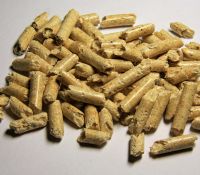
- Biomass materials manufacturing (e.g., mulch and wood pellets) also contributes to local economies.
Research & Future Prospects
- Texas A&M University and others are researching advanced biomass conversion methods, like converting food waste, algae, and municipal waste into fuels and chemicals, potentially improving future biomass use.
- Expansion efforts include new technologies and potential bioenergy with carbon capture (BECCS) initiatives being explored in Houston and beyond.
Challenges
- Biomass remains a small part of Texas’s energy portfolio compared with wind and solar, which dominate renewable generation.
- It faces economic competition from cheap natural gas and rapidly growing solar and wind sectors.
- Policy and permitting for bioenergy facilities fall under oversight by the Texas Commission on Environmental Quality (TCEQ), requiring authorizations for operations.