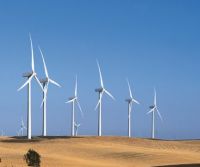
Wind power continues to grow in the state of Nebraska with plenty of new wind energy projects.
Current Wind Energy Capacity and Generation
- As of late 2024, Nebraska had about 3,523 megawatts (MW) of installed wind energy capacity, which made it roughly 15th in the U.S. among states by wind capacity.
- In 2024, wind accounted for nearly 32 % of the state’s electricity generation, second only to coal (about 44 %).
- This reflects significant growth from earlier in the decade when wind was a smaller share of Nebraska’s electricity supply.
Major Wind Farms and Projects
Nebraska’s wind capacity comes from a mix of utility-scale wind farms across the state. Some notable facilities include:
- Grande Prairie Wind Farm – ~400 MW near O’Neill, powering a large number of homes.
- Rattlesnake Creek Wind Farm – ~320 MW in Dixon County.
- Upstream Wind Energy Center – ~202.5 MW near Neligh.
- Haystack Wind Farm – ~255-298 MW project completed by Ørsted in Wayne County.
- Various smaller projects (e.g., Franklin County, Laredo Ridge, Prairie Breeze centers) adding tens of MWs each.
These farms contribute to Nebraska’s increasing wind generation and help utilities meet energy needs and renewable goals.
Growth and Future Development
- Nebraska’s wind capacity and generation have grown rapidly over the past decade, driven by strong wind resources in the Great Plains and investment in transmission infrastructure.
- New projects are planned or under development, such as the Brady Island Wind project (planned ~200 MW) slated to begin operations later in the 2020s, expanding the state’s wind output further.
Wind’s Role in the State’s Energy Mix
- Wind now makes up a significant portion of Nebraska’s electricity portfolio, though fossil fuels (especially coal) still play a major role.
- The state’s high average capacity factors for wind (how consistently turbines generate power) make wind an attractive resource compared to many other states.
Policy and Economic Impact
- Nebraska does not have a mandatory statewide renewable energy standard, which historically slowed wind build-out relative to some neighbors.
- Wind development has provided rural economic benefits, including landowner lease revenue and local tax payments, and helped diversify rural economies.
In summary:
Nebraska has become a major U.S. wind energy state — growing into the top 15 nationally in installed capacity, contributing a substantial share of electricity, and continuing to attract new large-scale wind projects thanks to excellent wind resources and expanding infrastructure.