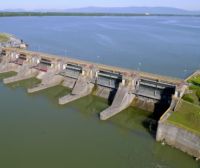
Here’s a quick overview of hydropower in Argentina — its role, major facilities, current trends, and recent developments:
Hydropower in Argentina — Key Facts
Importance in the Energy Mix
- Hydroelectricity is a major renewable energy source in Argentina’s electricity system. It accounts for a significant share — around one-quarter of the country’s electricity generation and roughly 25 % of total installed capacity, highlighting its role in reducing reliance on fossil fuels.
- Argentina uses numerous hydro plants spread across major river systems to provide clean, flexible power that helps balance the grid alongside wind and solar.
Major Hydropower Plants
Argentina’s hydropower infrastructure includes both large dams and smaller hydroelectric stations. Some of the most important are:
Binational and Large Dams
- Yacyretá Hydroelectric Dam – Shared with Paraguay, one of the country’s largest plants (capacity expanded historically).
- Salto Grande Hydroelectric Complex – Shared with Uruguay, another key contributor to national generation.
Significant National Plants
- Piedra del Águila Dam – Major hydroelectric facility on the Limay River (~1,400 MW capacity).
- El Chocón Dam – Also on the Limay, with over 1,200 MW capacity.
- Alicurá Dam – Large hydro plant on the Limay River (~1,000 MW).
- Cerros Colorados & Arroyito – Support generation and regulation in the Limay/Neuquén river system.
- Río Grande Pumped-Storage Complex – In Córdoba, an important facility for peak-time generation and storage (~750 MW).
- Potrerillos Dam (Mendoza) – Medium-scale hydro plant supporting regional supply.
Projects Under Development
- Kirchner–Cepernic Hydropower Project (Santa Cruz) – A major expansion in Patagonia with planned capacity of ~1,740 MW, making it one of the biggest hydro developments in the Americas.
Recent Policy Shifts
Privatization of Key Plants
- In 2025–2026 Argentina advanced the privatization of four major hydroelectric complexes in the Comahue region — Alicurá, El Chocón, Cerros Colorados, and Piedra del Águila — transferring operational control to private companies under long-term concessions.
- These plants together contribute roughly one-third of Argentina’s hydroelectric generation and more than 8 % of total national electrical supply.
- New private operators have committed to substantial investment in modernization, efficiency improvements, and longer operational life for these facilities.
Context and Challenges
Utilization vs Potential
- Argentina is reported to use only a fraction of its total hydropower potential, especially compared to neighbors like Brazil or Paraguay.
Environmental & Social Considerations
- As with large dams worldwide, hydro projects in Patagonia and other regions sometimes raise environmental concerns related to river ecosystems, local communities, and glacial landscapes, which factor into planning and approval processes