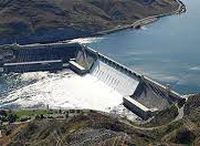
Hydropower in Wyoming is relatively small compared to states like Washington or California, but it still plays an important role in the state’s renewable energy mix. Here’s a clear overview of how it works there, key facilities, and its significance.
Overview of Hydropower in Wyoming
Hydropower (hydroelectric power) generates electricity from flowing water—typically rivers stored behind dams. It’s one of the oldest and most reliable renewable energy sources in the U.S.
- Supplies a small share of Wyoming’s electricity compared to coal and wind
- Most facilities are tied to federal irrigation and water projects
- Focus today is shifting toward small and micro hydropower rather than building new large dams
Major Hydropower Plants in Wyoming
Most are located on rivers like the North Platte River and are operated by the U.S. Bureau of Reclamation.
1. Fremont Canyon (largest producer)
- Capacity: ~33 MW
- Annual generation: ~227 GWh
- Built: 1960
- Largest hydropower plant in Wyoming
2. Kortes Dam Powerplant
- Annual generation: ~155 GWh
- Built: 1950
- One of the top-producing hydro plants in the state
3. Alcova Dam Powerplant
- Capacity: ~36 MW
- Annual generation: ~119 GWh
- Built: 1930s
- Serves irrigation + power generation
4. Boysen Dam
- Capacity: ~15 MW
- Annual generation: ~70 GWh
- Built: 1952
5. Smaller plants
Examples include:
- Heart Mountain (~21 GWh/year)
- Strawberry Creek (~9 GWh/year)
These illustrate that Wyoming has many small facilities rather than large-scale hydro systems.
Key Characteristics of Wyoming Hydropower
Multi-purpose dams
Most dams were built for:
- Irrigation
- Flood control
- Water storage
- Hydropower as a secondary benefit
Limited expansion potential
- Few new large dams are planned
- Environmental and geographic constraints limit growth
- Focus is on:
- Upgrading existing dams
- Adding turbines to non-powered dams
- Small-scale systems
Growing interest in small & micro hydro
- Systems under 5 MW are considered “small hydro”
- Micro systems (<100 kW) are used for:
- Farms
- Ranches
- Remote homes
Advantages & Challenges
Benefits
- Reliable “baseload” renewable power
- Long lifespan (often 50–100+ years)
- Low operating costs after construction
Challenges
- Limited suitable river sites
- Environmental impacts (fish, ecosystems)
- Water availability depends on snowpack and drought
Conclusion
Hydropower in Wyoming is modest but stable—built mostly around mid-20th-century dams on major rivers. While it won’t dominate the state’s energy mix, it remains a reliable renewable backbone, with future growth likely coming from small-scale and efficiency upgrades rather than new mega-dams.