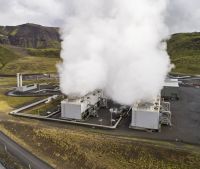
The U.S. is a global leader in geothermal energy production — it has some of the world’s largest geothermal power plants and vast untapped potential. Geothermal energy uses heat from within the Earth to generate electricity and provide direct heating.
- Installed capacity (as of 2024): ~3.8 gigawatts (GW)
- Share of U.S. electricity generation: <0.5%
- Leading states: California, Nevada, Utah, Oregon, Idaho, and Hawaii
Major geothermal projects in United States are:
The Geysers (California): The largest geothermal complex in the world, producing over 1.5 GW.
Imperial Valley (California): Includes several plants near the Salton Sea, an area also rich in lithium resources.
Coso (California): One of the top three U.S. geothermal fields.
Nevada: Home to dozens of smaller plants and active exploration projects.
Current technologies include:
Enhanced Geothermal Systems (EGS): Emerging technology that creates artificial reservoirs in hot dry rock — could vastly expand geothermal potential beyond traditional hydrothermal areas.
- Example: Fervo Energy in Nevada and Utah, a pioneer in commercial EGS.
Superhot rock geothermal: Research into drilling deeper to access higher-temperature zones for ultra-efficient power generation.
Geothermal heating and cooling: Increasing use of ground-source heat pumps for homes, schools, and businesses.
Federal and state support:
Department of Energy (DOE): Through its Geothermal Technologies Office (GTO), the DOE funds R&D and demonstration projects.
Inflation Reduction Act (2022): Extended tax credits and incentives for renewable energy projects, including geothermal.
State initiatives: California and Nevada have renewable portfolio standards (RPS) that encourage geothermal development.
Future outlook:
The DOE’s GeoVision report (updated in recent years) estimates that geothermal electricity generation could increase more than 26-fold by 2050, potentially providing:
- 60+ GW of electric capacity
- Widespread geothermal heating applications
- Major contributions to U.S. decarbonization goals
The challenges ahead:
High upfront drilling costs
Exploration risk (finding viable reservoirs)
Permitting and environmental review delays
Transmission infrastructure needs