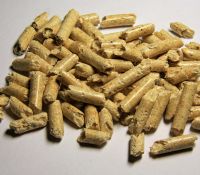
Biomass plays a moderate but important role in Minnesota’s energy system, especially for heating and certain industrial uses. Here’s a clear overview:
How much biomass Minnesota uses
- Biomass accounts for a small share of total energy but a significant share of renewables.
- Around 3% of total energy consumption comes from biomass.
- Within renewable energy, biomass provides a large portion (about 60%+).
For electricity specifically:
- Biomass contributes a few percent of generation (≈2–4%), depending on the year.
Main types of biomass used
Minnesota relies heavily on forest-based biomass, plus some waste sources:
1. Wood and wood waste (dominant)
- Logging residues, sawmill waste, and urban wood waste
- About 1.3 million tons of woody biomass used annually (recent estimate).
2. Agricultural biomass
- Crop residues (like corn stover)
- Energy crops (e.g., switchgrass, hybrid poplar)
3. Waste-based biomass
- Municipal solid waste (trash-to-energy)
- Landfill gas and sludge
What biomass is used for
Biomass in Minnesota is used mostly for heat, not electricity:
- Residential heating: ~55%
- Industrial process heat: ~43%
- Commercial heating: small share
It’s especially important in:
- Rural homes (wood stoves, pellet heating)
- Forest-product industries (paper mills, sawmills)
Biomass for electricity & energy systems
- Minnesota has biomass power plants and cogeneration facilities (heat + electricity).
- Example: facilities burning wood waste to supply district heating and power.
- Some plants use combined heat and power (CHP) for efficiency.
Availability and potential
- The state has large forest resources, with hundreds of millions of tons of biomass available.
- Currently, only about 35% of potential woody biomass is utilized → significant room for growth.
There’s also growing interest in:
- Using insect-damaged trees (e.g., ash trees)
- Producing biofuels and sustainable aviation fuel
Environmental impact
Advantages:
- Lower sulfur emissions than fossil fuels
- Can be considered carbon-neutral over the full lifecycle (if forests regrow)
Challenges:
- Still emits CO₂ and air pollutants when burned
- Sustainability depends on forest management and supply chains
Conclusion:
Biomass in Minnesota is:
- A major renewable resource, but
- A minor part of total energy use, and
- Primarily used for heating and industrial energy, not electricity