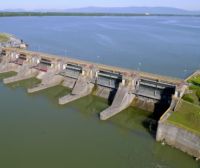
Hydropower has long been an important part of Japan’s energy system, largely because the country has many mountainous regions, abundant rainfall, and fast-flowing rivers. Here’s a clear overview of how it works and why it matters:
Role of Hydropower in Japan
- Hydropower is one of Japan’s oldest renewable energy sources.
- It typically provides around 7–9% of Japan’s electricity (varies by year and rainfall).
- It plays a stable, flexible backup role alongside solar and wind.
Types of Hydropower Used
1. Conventional Hydropower
- Uses river flow and dams to generate electricity.
- Examples include large dam systems across central and northern Japan.
2. Pumped Storage Hydropower
- Japan is a global leader in this technology.
- Water is pumped uphill during low demand and released to generate power during peak demand.
- Helps balance intermittent energy sources like solar.
Key Features of Japan’s Hydropower
- Geography advantage: Steep terrain allows efficient energy generation.
- Limited large-scale expansion: Most major dam sites are already developed.
- Focus shifting to small-scale hydro: Japan is investing in “micro-hydro” systems for rural and local use.
Major Hydropower Operators
- Tokyo Electric Power Company (TEPCO)
- Kansai Electric Power Company
- Electric Power Development Company
These companies operate many of Japan’s dams and pumped storage plants.
Importance After Fukushima
After the Fukushima Daiichi nuclear disaster:
- Japan reduced reliance on nuclear power.
- Renewables, including hydropower, became more important.
- Pumped storage became critical for stabilizing the grid.
Challenges
- Environmental concerns: Dams affect river ecosystems and fish migration.
- Aging infrastructure: Many plants were built decades ago.
- Climate variability: Changing rainfall patterns can affect output.
Future Outlook
- Continued use as a reliable, flexible renewable source.
- Growth in small-scale hydro and efficiency upgrades rather than new large dams.
- Key support role for Japan’s carbon neutrality goals (by 2050).